According to research, our bodies produce dopamine when we take in new information. Just like eating delicious food or arriving at a travel destination, we also feel pleasure when we learn something we didn’t know.
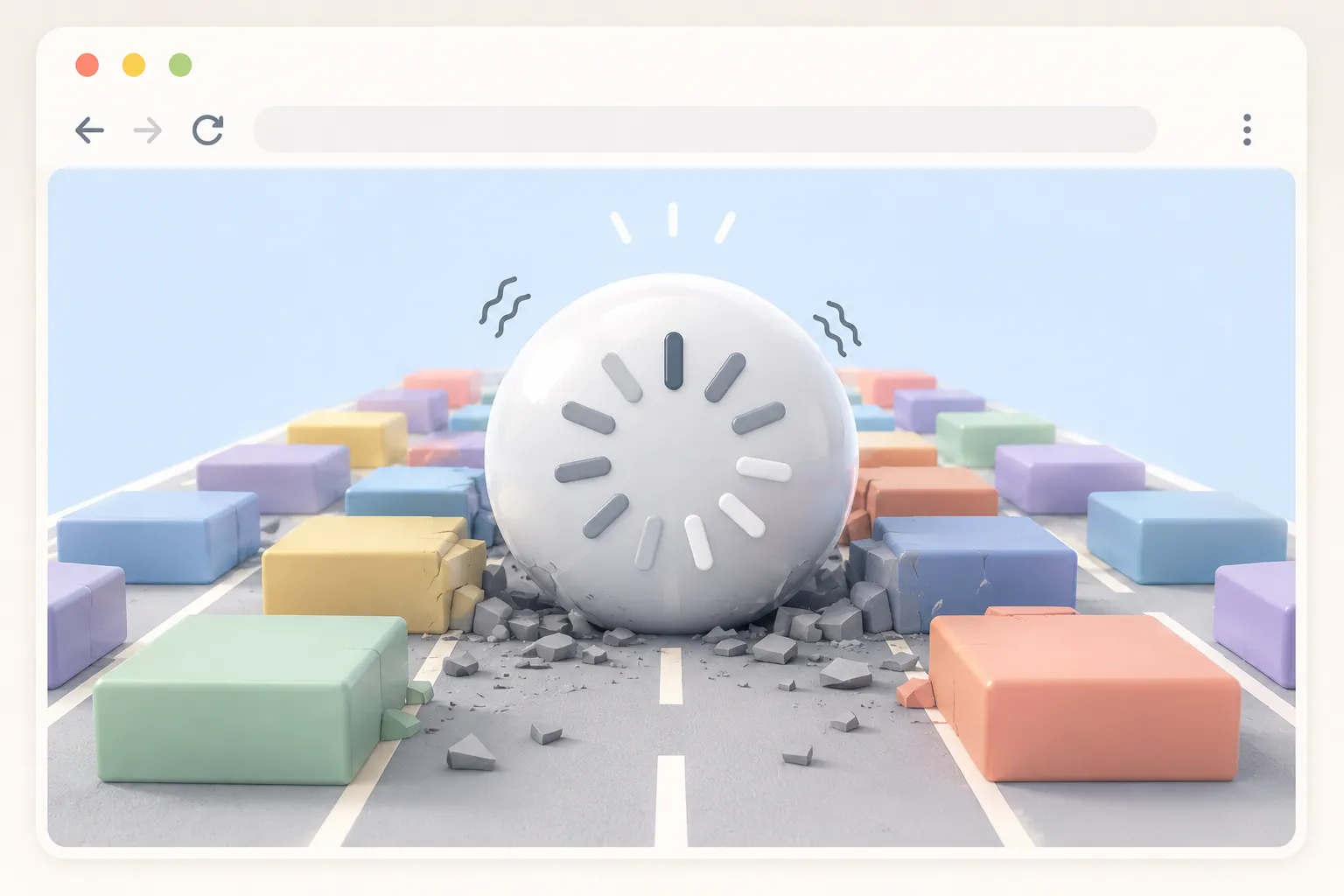
This phenomenon, which in the past was often called a thirst for knowledge, has become common all around us now that information is easy to access. I too would endlessly watch short-form content like Shorts and Reels, or endlessly read summarized material on social media, failing to do what I had to do and quickly turning my attention to other information. There were many times I couldn’t do what I actually needed to do because I was focused on other information. Since I couldn’t break this pattern, I think it deserves to be called an addiction. The really big problem is that unlike cigarettes or alcohol, you think “isn’t this a good thing?”, which makes it even harder to quit. I struggled quite a bit to deal with this information addiction myself.
When you think about it, information addiction is not a good thing. Most of the information we encounter is likely not information we really need. The information given to us on the web is not information I found through my own curiosity but “randomly given information.” When that information catches my interest, my existing curiosity disappears and gets overwritten by a new curiosity. In other words, I lose interest in the important thing I was going to do. And interestingly, absorbing information this way is said to cause “intellectual obesity.” Just as stimulating food that’s bad for the body tastes good, stimulating and useless information feels more interesting, and the flow of consciousness gets blocked like a clogged blood vessel. If this continues, you end up avoiding the information you really need and wanting only stimulating information you don’t need, in a vicious circle.
As a diet for intellectual obesity, various methods are suggested: thinking it over once more, digital detox, exercise, writing, and so on. I don’t know which is the most effective. The right method probably differs from person to person. In my case, I deal with it by making a checklist in advance and not straying from it. This has various side effects too… but at least it keeps me from straying to other information.
A world where lots of information can be had at low cost can’t be a bad thing. But that’s why I think I need to ask myself again what is really important to me.